Here's the short version: earning in Meteon Run comes down to equipping an NFT sneaker, running every day, stacking the in-game token GMTO, reinvesting in repairs and your next sneaker, and cashing out the surplus — that loop is the foundation of everything else.
In this guide we'll walk through the big picture of how earning works, practical tips for collecting GMTO efficiently, lower-cost ways to get started, the steps for cashing out, and the risks and tax considerations you should understand before you begin. One thing up front: this article is for information only and does not guarantee any income. Earning rates — and what your tokens are actually worth — vary widely with your sneaker's rank (rarity) and with market prices.
The Big Picture: NFT Sneakers × Two Tokens
Meteon Run is free to play as a running game (listed as free with in-app purchases on the App Store), but the earning side of it requires an NFT sneaker. Equip a sneaker on your character, run the courses, and collect coins — that's how you earn GMTO, the in-game token, and GMTO is where all the earnings in Meteon Run come from.
The project runs on two tokens with different jobs, and understanding the difference is the first thing to get right.
- Used to buy NFT sneakers on Meteon Garage, for staking, and for governance
- Staking (Staking V2): 40 GMTO per MTO per year. Claim rewards anytime; unstaking takes a 7-day wait
- Has been listed on an overseas exchange (XT.com); designed with a capped supply
- Earned as a reward for playing
- Spent on sneaker repairs and NFT sneaker purchases (per the whitepaper)
- Also paid out as MTO staking rewards; has been listed on an overseas exchange (LBANK)
As a player, the token you'll deal with day to day is GMTO. Everything you earn can go one of three ways: spend it on repairs, put it toward your next NFT sneaker (Meteon Garage accepts GMTO as payment), or withdraw it to your Garage Wallet and trade it for other currencies on an exchange. How you split those is the central strategic question of Meteon Run.
If you hold MTO, staking it in Staking V2 on Meteon Garage accrues 40 GMTO per MTO per year, and you can claim the GMTO rewards anytime without unstaking. Unstaking (withdrawing your MTO principal) takes a 7-day wait after you request it. These figures are as displayed on Garage in August 2026; the APY (annualized rate) moves with both tokens' market prices. See the Meteon Garage guide for how it works.
Note: MTO can't be earned through gameplay in the current version — buying it on an exchange (it has been listed on XT.com as MTO/USDT) is the main way to get it (Meteon Run Hub). Token listings, availability, and in-game mechanics can change. Always check the official website and the official X account for the latest information.
Tips for Earning GMTO Efficiently
Two players with the same NFT sneaker can end up with very different GMTO balances depending on how they play and how they manage repairs and reinvestment. Here are four points worth getting right.
Run a Little Every Day
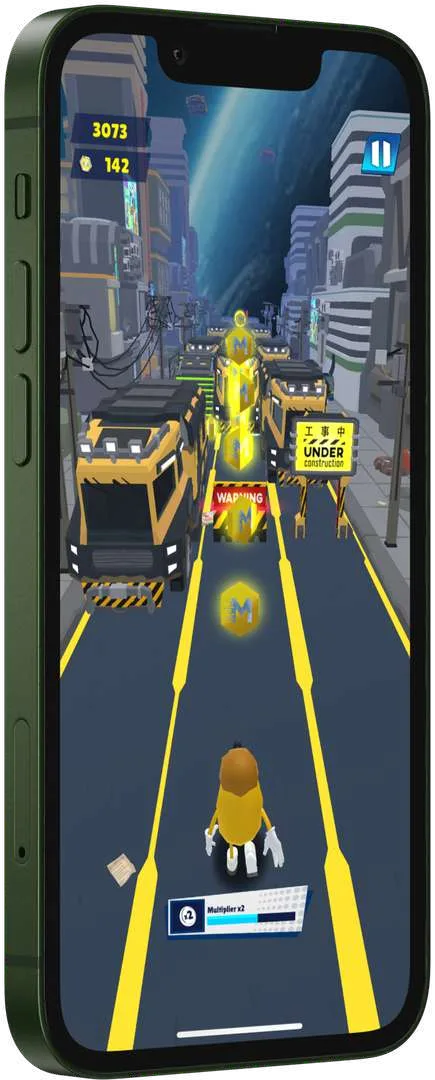
Meteon Run is an endless runner: tap and swipe to dodge obstacles while grabbing coins. Because rewards come straight from the runs you put in, making short daily sessions a habit is the foundation of every earning strategy. As you get comfortable with the controls and can run longer without mistakes, the coins you pick up per run naturally climb too.
Sneaker Rank (Rarity), Rewards and Repair Costs
NFT sneakers range from affordable trial pairs to high-rank grails, and per the official Meteon Run Hub FAQ, each rank changes how much GMTO you get per GMTO coin and what repairs cost (priced in USD) — higher ranks earn more but cost more to repair. There are no stat values or levels; rank is the only thing that differs between sneakers. Higher ranks also cost more to buy, so the question that matters is always "how long, and how reliably, would it take to earn back what I put in?"
Keep in mind that your real-world return depends not just on the sneaker's rank but also on GMTO's market price, which can swing significantly. Rather than reaching for an expensive pair right away, it's more realistic to step up through the ranks gradually, in line with your budget and the risk you can accept. Repair costs by series and rank, and how to choose, are in the sneaker catalog & strategy guide.



When to Reinvest (Buy Your Next Pair or Cash Out?)
GMTO isn't just for repairs — Meteon Garage also accepts it as payment for your next NFT sneaker (per the whitepaper). One approach is to hold off on cashing out early and reinvest your rewards in another pair to grow your earning power first; another is to cash out often to limit your exposure to price swings. Either way, before committing, do a rough estimate of how many days of runs — net of repair costs — it would take to earn back the price of an extra pair. Earning rates vary with your sneakers and market prices, and nothing guarantees you'll recover the cost.
Balancing Repair Costs
Sneakers lose durability (stamina) as you run, and you need at least 1% left to earn GMTO (at 0% you can still collect regular coins, but no GMTO and no SPIN; durability doesn't recover on its own — per the Meteon Run Hub). Restoring it requires repairs (maintenance) paid in GMTO. That means your real take-home is "GMTO earned minus repair and upkeep costs." Run on 0 durability and you earn no GMTO at all, so build your sneaker plan around regular maintenance, and always think in terms of net earnings after upkeep.
Lower-Cost Ways to Get Started
If dropping serious money on an NFT right away feels uncomfortable, Meteon Run offers ways to start with a smaller commitment.
- Trial sneakers — entry-level NFT sneakers at an affordable price point. A good way to start small and experience the full "earn, repair, run again" loop before committing more. Note that sneakers bought through in-app purchases are in-game items, not NFTs, and won't show up under "My NFT" on Meteon Garage (per the whitepaper).
- Scholarship (rental) program — sneaker NFT "owners" lend to "scholars" and the two share the rewards. It is available on Meteon Garage as of August 2026. When the scholar pays for repairs, the owner's share is 2–4%; when the owner pays, it's 97–99% — the rest goes to the scholar. Borrowing lets you join with little upfront cost; trial sneakers can't be lent out. See the Meteon Garage guide for how to use it.
How to Cash Out
GMTO earned in Meteon Run is cashed out along this path: game account → Meteon Garage wallet (Garage Wallet) → exchange. Here's the overall flow in four steps. If it's your first time, do a small test transfer before moving any meaningful amount.
Earn GMTO in the Game
Equip your NFT sneaker and run — GMTO accumulates as your play reward.
Withdraw to Your Garage Wallet (Send to Wallet)
Use "Send GMTO" on Meteon Garage to move GMTO from your game account to your Garage Wallet — the Polygon wallet generated automatically the first time you log in to Garage. Withdrawals carry a 0.5% fee, a minimum of roughly $10 worth of GMTO, and daily and monthly caps (figures as displayed in August 2026; they change with market rates and updates).
Send to an Exchange
Use "Send" on the Garage Wallet to transfer GMTO to the deposit address of a crypto exchange that accepts GMTO on the Polygon network. You'll need POL to cover gas (the network fee for blockchain transactions).
Trade for Other Currencies
Exchange your GMTO for other crypto assets on the exchange. To end up in your local currency, you'll typically go through an exchange that supports fiat withdrawals in your country or region.
The withdrawal fee, minimum, and caps — as well as transfer and trading fees — can change. The deposit & withdrawal guide walks through each screen in detail. Before you actually cash out, always confirm the latest official information and each exchange's own guidance.
Risks and Taxes
Play to Earn is an appealing idea — getting rewarded for playing — but because it involves crypto assets and NFTs, there are risks you must understand first.
- Price volatility: GMTO and MTO prices move sharply, so the real-world value of the tokens you earn changes day to day. Large swings between yesterday and today are not unusual.
- No guarantee you'll recover your costs: there is no guarantee anywhere that you'll earn back what you paid for an NFT sneaker. Changes to the game, the token design, or the project's circumstances can also change the assumptions your plan is built on.
- Taxes: Depending on your country, token earnings may be taxable — consult a local tax professional.
- Security: your Garage Wallet is tied to your Google/Apple login, so turn on two-factor authentication for that account. Never share an external wallet's secret recovery phrase (the backup passphrase that restores your wallet) with anyone, and watch out for scam sites and fake DMs impersonating official accounts.
The official Meteon Run Hub carries the same warning (our translation from the Japanese): "MTO and GMTO are classified as crypto assets. Their prices fluctuate, and we do not recommend using them for the purpose of building assets or investing." This site does not provide investment advice. Any decision to participate is yours alone — only use funds you can afford to lose.